A growing collection of short video case studies designed for professional learning, faculty meetings, professional development workshops, and educator preparation programs. Includes a short video and a discussion guide.
PENALTYKICK (NEW)
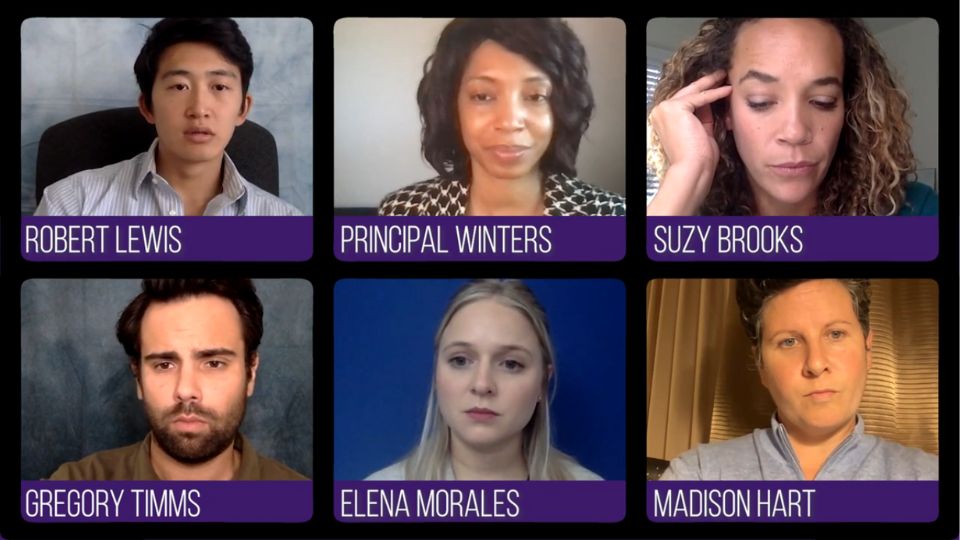
A student’s threat to report a classmate to ICE raises difficult questions about bullying, restorative justice, school leadership, and maintaining an inclusive school community amid political disagreement.
Running time: 17 minutes
Best for: Faculty meetings, teacher and leadership education programs, PLCs, PDs
Includes a downloadable discussion guide for professional learning.
Watch the case. Hear experienced educators unpack the dillema.
A collaboration with Professor Meira Levinson and EdEthics.
Each episode includes a dramatization of an ethical dilemma that could be faced by educators along with a discussion of the case by scholars, teachers, and community representatives, facilitated by professor Meira Levinson. These longer-format videos offer multiple perspectives to deepen reflection and dialogue.
EPISODE 1
Should young people be recipients of civic knowledge rather than agents of change? How should input from members of the community influence school decisions about curriculum? In a polarized community, is it better to make waves or avoid conflict?
EPISODE 2
How should teachers teach climate change in communities whose economy still relies on fossil fuels? Do they take into account the views of the local community? Or does any accommodation represent dangerous pandering to people out of step with the consensus of the scientific community?
EPISODE 3
What boundaries should a school set on student speech, if any, in order to foster social-emotional learning, civil discourse, and friendship among students? How might they hold themselves and their students accountable for upholding school values, even when they are not reflected on the national political landscape?
EPISODE 1
Should young people be recipients of civic knowledge rather than agents of change? How should input from members of the community influence school decisions about curriculum? In a polarized community, is it better to make waves or avoid conflict?
EPISODE 2
How should teachers teach climate change in communities whose economy still relies on fossil fuels? Do they take into account the views of the local community? Or does any accommodation represent dangerous pandering to people out of step with the consensus of the scientific community?
EPISODE 3
What boundaries should a school set on student speech, if any, in order to foster social-emotional learning, civil discourse, and friendship among students? How might they hold themselves and their students accountable for upholding school values, even when they are not reflected on the national political landscape?
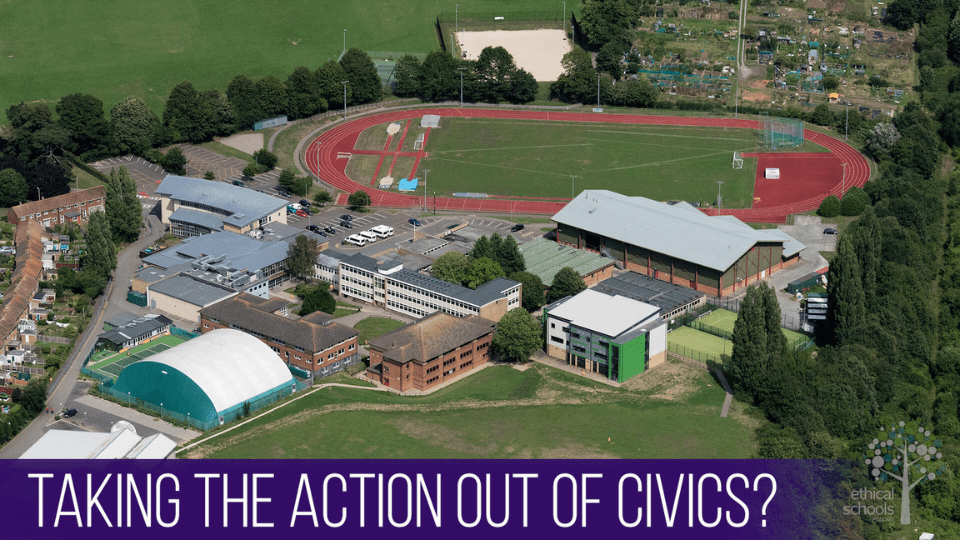
EPISODE 1: TAKING THE ACTION OUT OF CIVICS?
Our first episode examines the debate over a form of project-based civics education called Action Civics, in which students research a topic of their choosing and then take action to create change. A parent’s campaign to end the action civics project prompts a high school to examine the purpose of civic education, the rights of young people to influence their community, and the ways that polarized discourse influences schools.
Taking the Action Out of Civics
Discussion led byMeira Levinsonof EdEthics at the Harvard Graduate School of Education
Andrew Wilkesof the nonprofit Generation Citizen
Debbie Holeckoof Ohio’s North Olmsted Middle School
Fernando Reimersof the Harvard Graduate School of Education
Robert Pondiscioof the American Enterprise Institute
A wide-ranging and timely conversation explores questions about student agency, teacher autonomy, state authority, community involvement, parental rights, and political polarization.
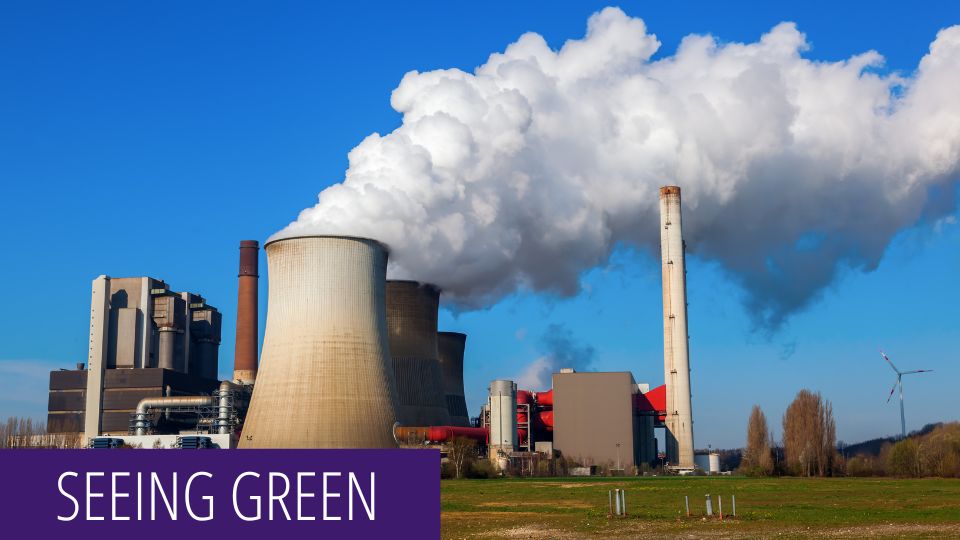
Our second episode explores the challenges of teaching about climate change in a community where a large portion of the residents work in the petroleum industry. A new science teacher is surprised when many of her students and their parents object to her lessons on climate change. How far should the beliefs and values of the local community in which a school is embedded inform curricular and other teaching decisions?
Seeing Green
Discussion led byMeira Levinsonof EdEthics at the Harvard Graduate School of Education
Tina Grotzerof Project Zero and Harvard Graduate School of Education
Shirley Edwards Founding principal of EBC High School for Public Service in Bushwick, an educator in the NYC public schools for 32 years
Randall Curren of the University of Rochester, author of “Living Well Now” and “In the Future: Why Sustainability Matters”
Sadie Sundahlof the University of Idaho
A discussion that raises ongoing questions facing teachers and school leaders across the country struggling with teaching climate change in a warming world that continues to rely on fossil fuels.
Our third episode explores the challenges posed by divisive political rhetoric for school classrooms and communities. Educators and parents of a School Culture Committee (SCC) at a K-8 school wrestle with a series of events that challenged their ability to maintain inclusive learning environments that are welcoming to all students. The SCC must determine where and how to draw boundaries between free political speech and offensive or harmful speech that qualifies as bullying or harassment.
Walling Out or Welcoming In?
Discussion led byMeira Levinsonof EdEthics at the Harvard Graduate School of Education
Margaret Blachly Assistant Director, PD Facilitator, Psycho-educational Specialist, advisor and instructor in the Early Childhood Special Education and Bilingual Programs at the Bank Street Graduate School of Education
Leslie Boggs56th President of National PTA
Carolina Brito Principal at the Rafael Hernández Dual Language K-8 School
Jay GreeneSenior Research Fellow in The Heritage Foundation’s Center for Education Policy
A discussion that raises important pedagogical, ethical, democratic, legal, and political considerations, and invites readers to reflect on them both on their own and in dialogue with others.
A cast of actors interprets teachers, parents, and school leaders. Multiple perspectives emerge as participants grapple with challenging scenarios and choices, engaging in both personal reflection and group discussion, often across differences.
ABOUT
Ethical Schools Podcastis an an initiative of Ethics In Education Network, wich envisions equitable and inclusive educational environments that support students in becoming adults capable of and committed to building ethical institutions and dismantling systems of oppression and inequality. Every week Amy Halpern-Laff and Jon Moscow talk with educational innovators about creating ethical learning environments, helping students overcome the effects of trauma, and empowering young people to make change. Available on every major podcast platform.
ethicalschools.org
EdEthics is an initiative of The Harvard Graduate School of Education designed to affirm that ethics matter, and then to help educators and policymakers reason through the ethical dilemmas they face. Founded by Professor Meira Levinson, EdEthics doesn’t necessarily provide answers. Rather, EdEthics helps educators and policy makers ask the right questions, offers shared language to talk about the ethical choices they face, and provides frameworks and heuristics through which they can understand others’ points of view.
justiceinschools.org
Each episode of “What Would You Do?” was produced by Hoot Owl Media.