What Would YOU Do? Introducing Penalty Kick
A student threatens to report a classmate’s family to ICE. What should the school do? Watch Penalty Kick, a new free video case for educators, and get the discussion guide.
Read More
A student threatens to report a classmate’s family to ICE. What should the school do? Watch Penalty Kick, a new free video case for educators, and get the discussion guide.
Read More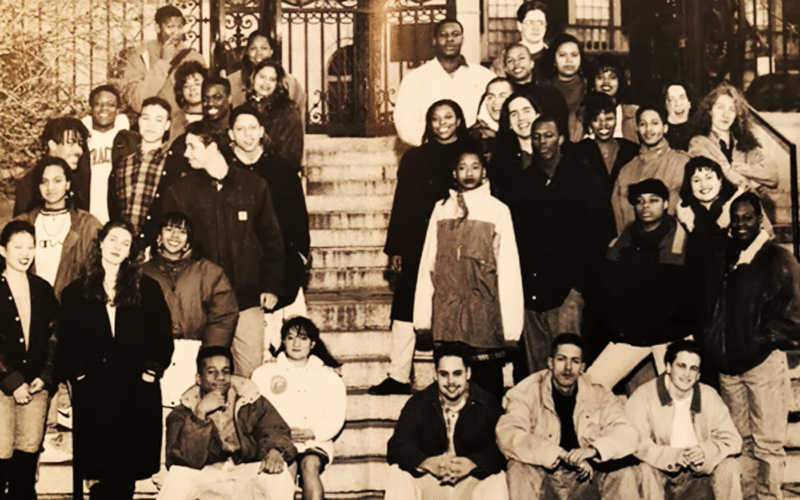
We speak with Deborah Meier and Jane Andrias, pioneers in the democratic small-school movement. Debbie founded the Central Park East Schools. Jane Andrias was an art teacher and principal at Central Park East I. Debbie and Jane discuss these ground-breaking schools, their ethical foundations, the “habits of mind” they worked to instill, and the challenges they faced.
*This is Part Two of a two part episode. Go back one episode to listen to the first part.
Read More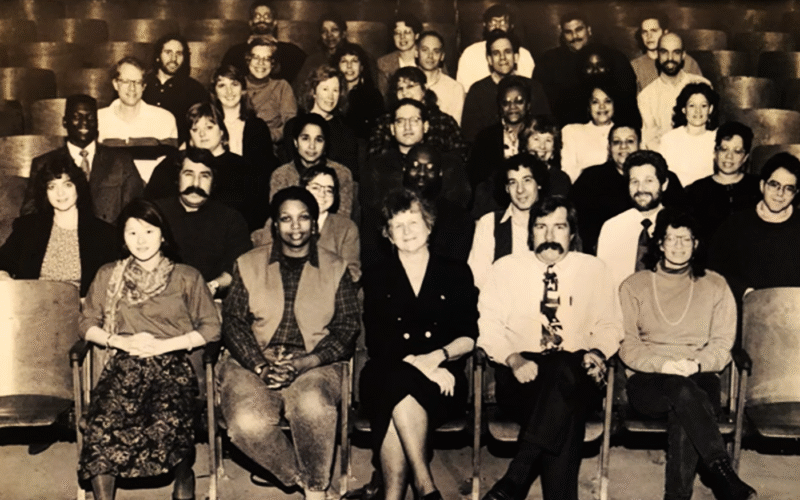
We speak with Deborah Meier and Jane Andrias, pioneers in the democratic small-school movement. Debbie founded the Central Park East Schools. Jane Andrias was an art teacher and principal at Central Park East I. Debbie and Jane discuss these ground-breaking schools, their ethical foundations, the “habits of mind” they worked to instill, and the challenges they faced.
Read More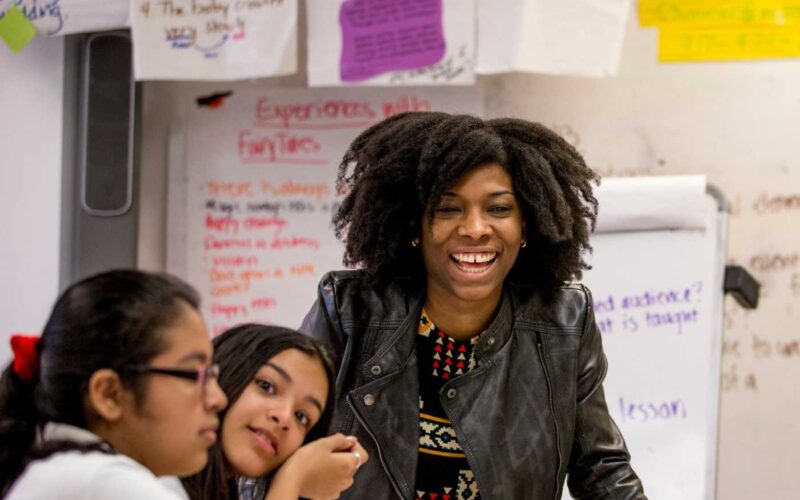
We speak with Dr. Diana Turk, Chair of the Department of Teaching and Learning and Director of Teacher Education at NYU. Students in NYU’s unique teacher residency program work full-time in classrooms, for which they are paid, making it possible for students without a lot of money to attend. By design, the program attracts BIPOC students. Students receive support from NYU faculty, both on location in their schools and online. They attend classes in the evenings, virtually. The program is uncompromisingly justice- and equity-centered.
Read More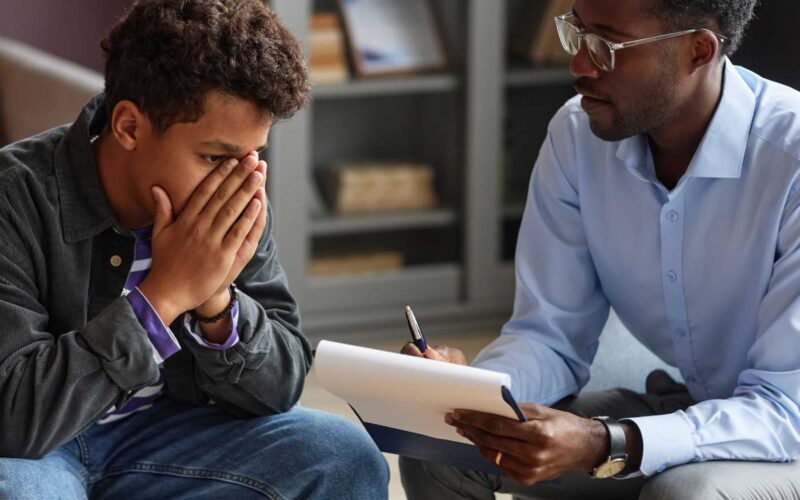
Steve Evangelista, longtime NYC educator, and Anthony Celestine, director of the Office of Juvenile Justice Services at Calcasieu Parish, Louisiana, talk about Calcasieu’s Multi-Agency Resource Center. MARC, an assessment center that coordinates services for struggling families, has been extraordinarily successful in reducing young people’s involvement with the juvenile justice system.
Read More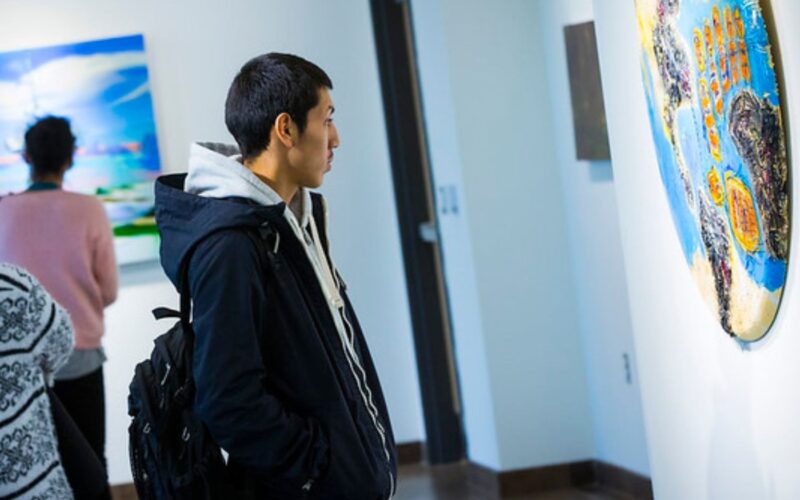
We speak with Dr. Andrea Siegel and Michelle Vitale of Hudson County Community College about the ways they bring art into students’ everyday lives. They’ve assembled a multi-ethnic art collection which is displayed on rotation in the galleries and hallways. Living with art is new to many of the students, who are often the first generation in their families to go to college. Our guests tell their own stories about their parents’ reactions to their choosing to become artists.
Read More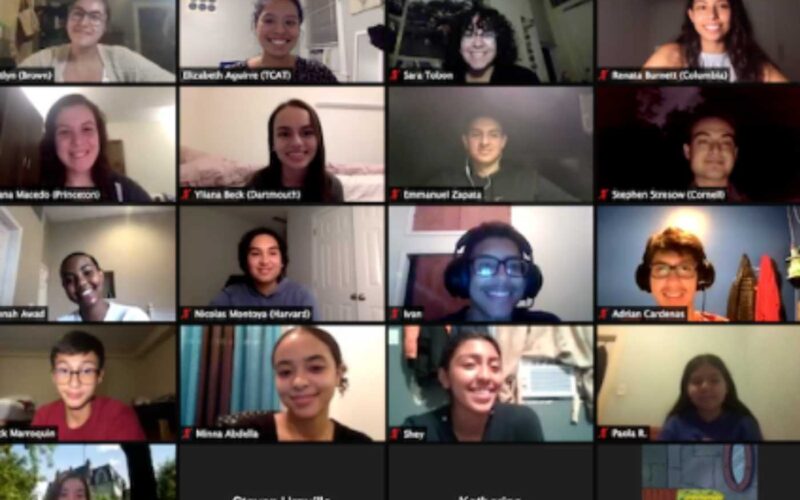
We speak with Michael Sanchez, executive director of Circle Match (formerly TCAT), a program that helps students in underserved high schools apply to colleges. Circle Match serves low income students, primarily of color, who are the first in their families to apply to college. Participants in turn assist classmates, thus creating a college-going culture and subsequently on-campus support. Circle Match students have been extraordinarily successful in gaining admission to elite colleges and universities.
Read More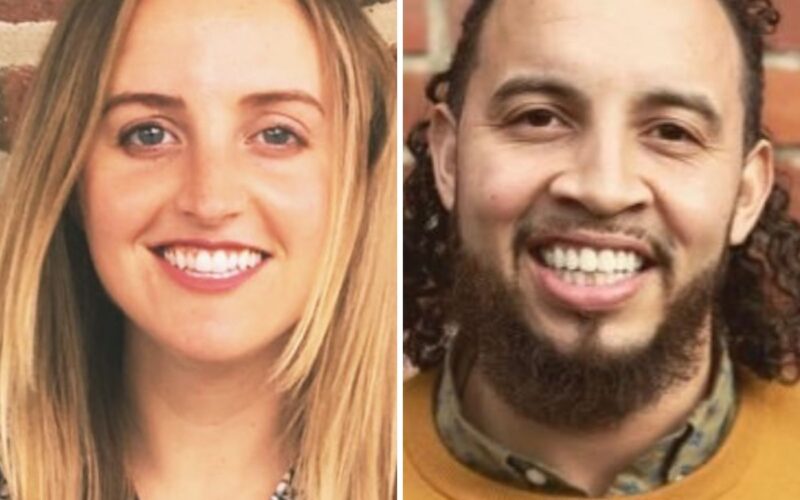
We speak with Sarah Eblen and Reginald Berry Jr., former middle school teachers and now district coordinators for the restorative justice program in the Kansas City Public Schools. Eighty percent of RJ is community building and 20% conflict resolution. When there is a conflict, the RJ process ensures that everyone — students, teachers, and parents — feels heard. Since the program started, classroom behavior problems have decreased, students’ out-of-school relationships have improved, and teacher satisfaction with the disciplinary process has increased.
Read More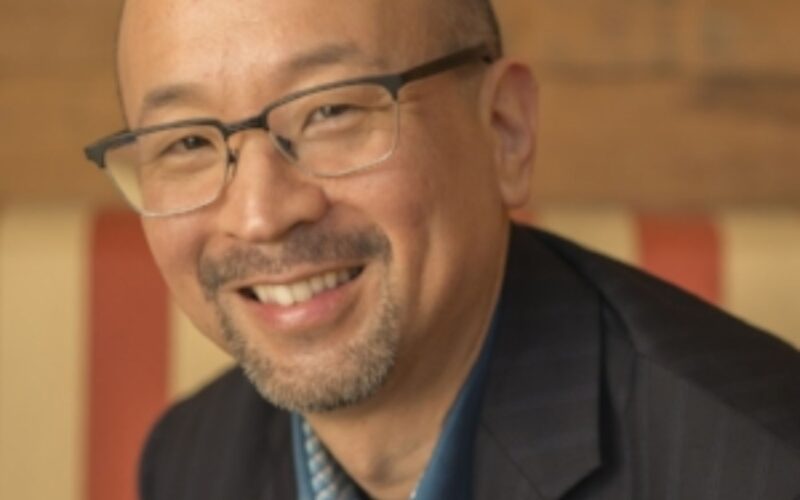
We speak with Dr. Kevin Kumashiro, a founder of Education Deans for Justice and Equity and organizer of the International Conferences on Education and Justice. Dr. Kushimaro describes how education scholars across the country are forming professional communities, both to build their capacity and to speak collectively on issues of public policy, leveraging their research to promote justice and equity. He argues that progressives must cease ceding the framework of education policy to corporate forces.
Read More
We speak with Dr. John Pascarella, Chief Academic Officer of K-12 Professional Learning at USC Race and Equity Center. The Center works with schools to identify disparate outcomes for students and strategies to eliminate them. Dr. Pascarella discusses the need for educators to stand up against systemic bias as it occurs in daily school life. He points out that we need to be aware that we are all inevitably involved in differential power relationships and offers suggestions for teachers engaging in ongoing self-reflection.
Read More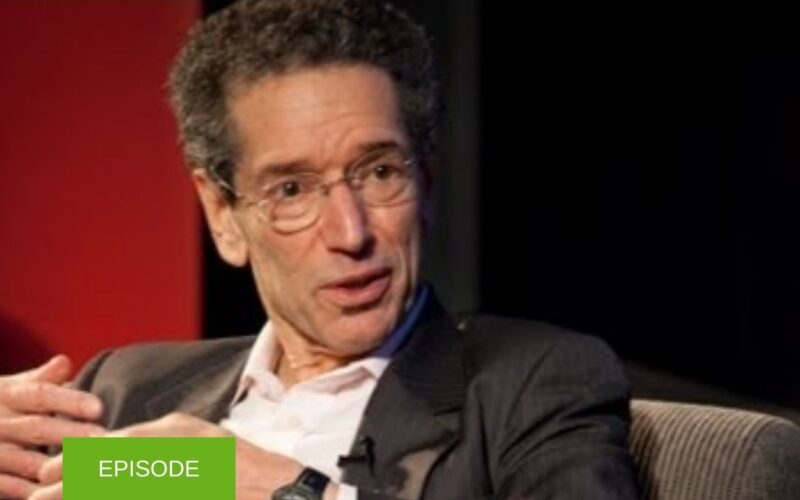
We continue our conversation with Dr. David Osher of the American Institutes for Research, delving deeper into the CBAM approach to school culture change. Dr Osher describes a study he and colleagues conducted, following every student who had been suspended in New York City over ten years. The study confirmed that exclusionary suspension has damaging impacts throughout a student’s academic career and beyond and has damaging impact on other students in the student’s classes as well.
Read More
We welcome back Stephanie Carnes, a school social worker who has worked extensively with Central American immigrant students and their families. School systems are designed for homogenous student populations, rather than the diverse reality. Despite new immigrants’ high motivation levels, they often fail for lack of support. School social workers could help design asset-based programs but often aren’t given a seat at the table.
Read More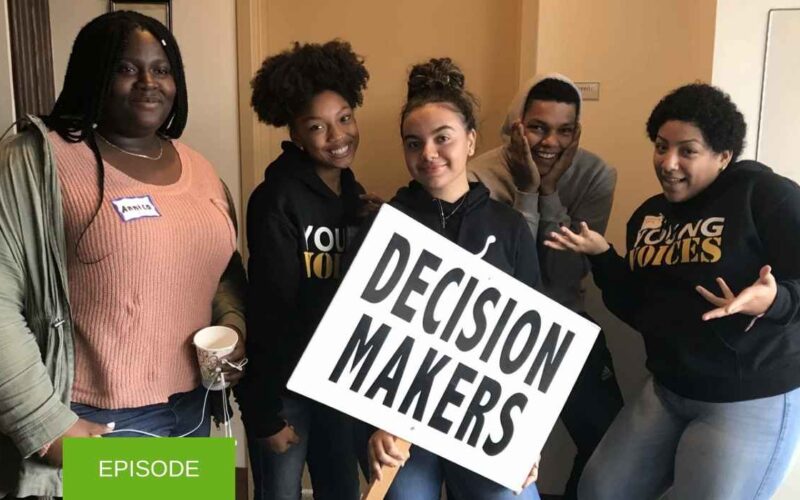
We speak with Keith Catone, executive director of CYCLE, the Center for Youth & Community Leadership in Education at Roger Williams University. CYCLE helps students, those who are most affected by school policies, to destabilize systemic power hierarchies, and encourages teachers to adopt an “organizing disposition.” Through trainings and ongoing support, CYCLE helps community youth organizations to build capacity, alliances, and power to achieve equity-based change.
Read More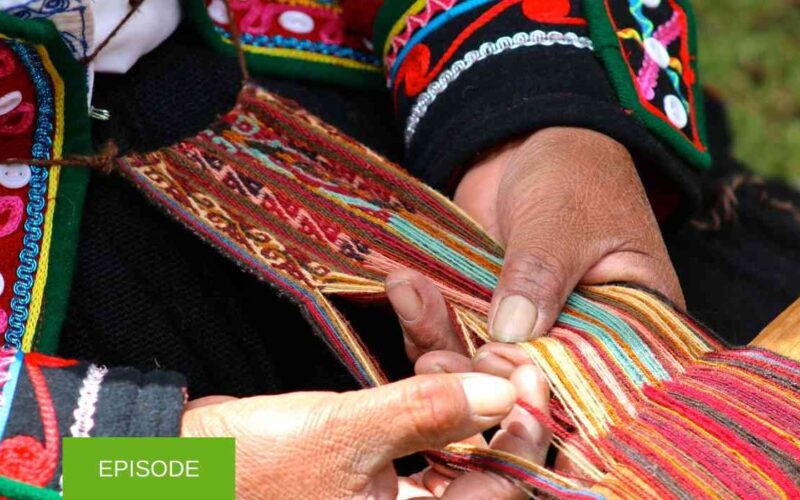
In our guest episode of Lev Moscow’s podcast, A Correction, Professor Walter Mignolo of Duke discusses decoloniality, a radically different way of thinking and teaching which rejects the “naturalness” of racial capitalism and its development. Lev and Dr. Mignolo discuss what this can look like in high school and college classrooms.
Read More
We speak with University of South Carolina law professor Derek Black about the history of education as a core government service and the current wave of voucher laws in red states. Professor Black argues that these will permanently reduce education funding levels and threaten the very existence of public schools. We also talk about the #RedforEd resistance and the need to substantially increase funding for schools with many low-income students.
Read More
We speak with Betty Collins, eighth grade teacher in Tulsa County, Oklahoma. Ms. Collins speaks about conservatives’ hostility to Critical Race Theory, which looks at the role of systemic racism in US history. We discuss a just-enacted law in Oklahoma that tries to ban teaching history that may make any students “uncomfortable” and how unions and educators are responding.
Read More
We speak with Dr. Steven Cohen of Tuft’s Department of Education about helping teachers to think critically about race and class.. He talks about the importance of listening to students over time, even watching the media they watch, to get a better understanding of their life experiences. He describes how to create fair strategies for resolving conflicts and for grading and he explains how to introduce complex subject matter in ways that students find relevant.
Read More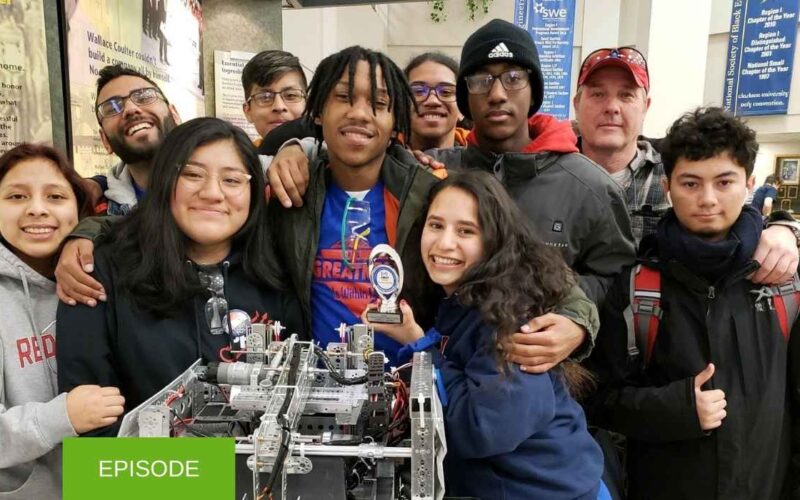
We speak with Dan Callahan, Assistant Superintendent for Secondary Education in Peekskill City School District, 45 minutes north of Manhattan. The low-income district in wealthy Westchester is 70% Latino, including many students from immigrant families. We discuss how the district has adapted to rapid demographic changes and schools’ role in helping students meet challenges. Mr. Callahan reflects on the decisions he and his staff make that impact students’ lives in very concrete ways, and the tension between consistency, applying the same rules for all students, and specificity, looking at the totality of circumstances in each individual case.
Read More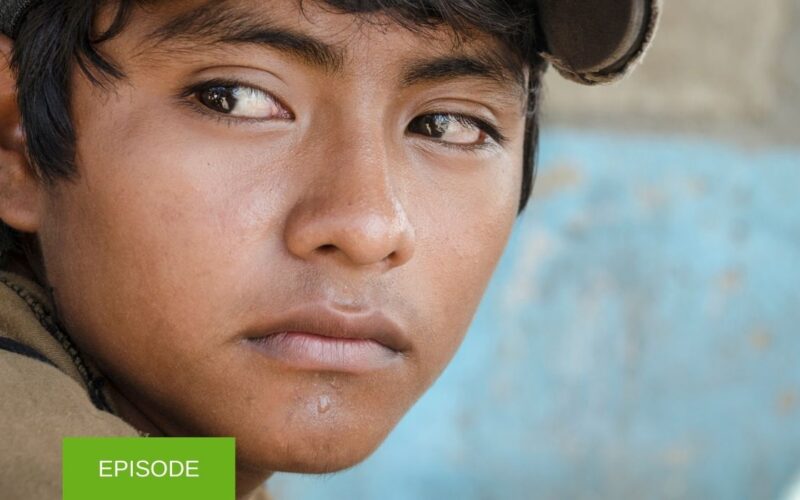
Dr. Randy Capps, Director of Research for U.S. Programs at the Migration Policy Institute, surveyed Latinx high school students to see how fear of deportation – of their parents, relatives, friends, or themselves – impacts their mental health. The students, roughly half foreign-born and half US-born, suffered anxiety, depression, and PTSD at significantly higher rates than other students their age. Strong bonds immigrant students formed with one another were a source of mutual support. Students who engaged in public policy activism showed improved mental health.
Read More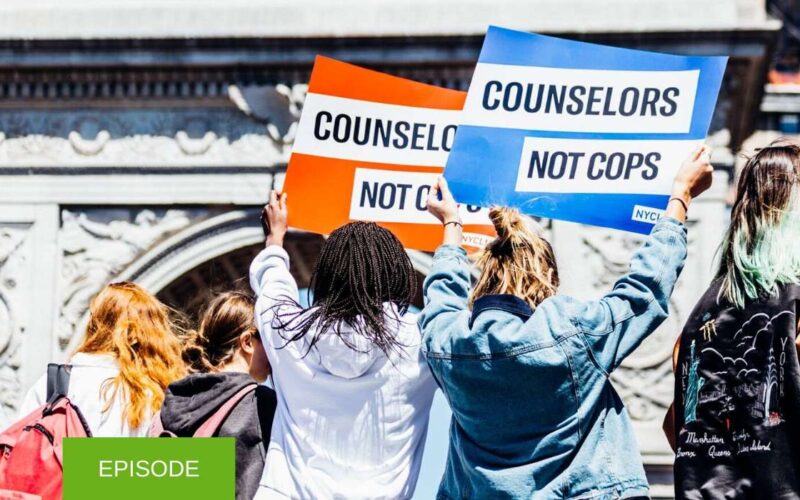
Toni Smith-Thompson, Senior Organizer at NY Civil Liberties Union, discusses the importance of replacing police presence in schools with restorative practices. Toni envisions ethical schools, in which all students feel both appreciated by and accountable to school communities, and conflicts are resolved internally. Students returning to school, many of whom will have experienced trauma associated with the pandemic and police violence, will need nurturing, not punitive measures.
Read More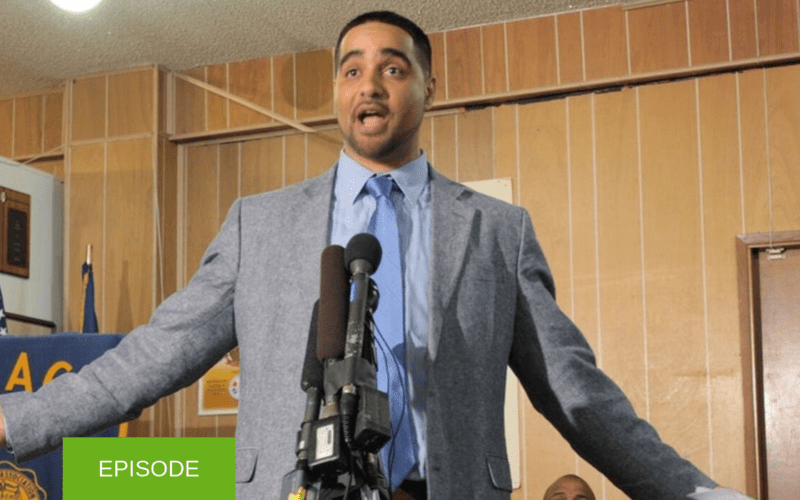
We speak with Jesse Hagopian, an editor for ReThinking Schools and a long-time teacher in the Seattle Public Schools. He is a co-editor of the book Teaching for Black Lives. Jesse discusses the groundbreaking annual National Week of Action in February that makes four demands of schools: replace zero tolerance discipline with restorative justice, implement…
Read More
We speak with Dr. David C. Bloomfield, Professor of Education Leadership. Law & Policy at Brooklyn College. David Bloomfield condemns the social Darwinism and “hoarding” mentality of our education systems. He explains how school resource allocation exacerbates segregation and inequality, a process deliberately abetted by the proliferation of school districts around the country. Education policy and financing reinforce an us against them view of schools. Until we start thinking of the nation’s children as our collective responsibility, we will continue to seek todeprive “other people’s” children in order to benefit “ours,” thereby impoverishing all of us.
Read More
Ethical Schools is an an initiative of Ethics In Education Network ®, which offers customized professional development programs for administrators, teachers, and youth workers who wish to prioritize ethics. Please contact us to schedule a free (no pressure) consultation and site visit.
